


Most people cringe at the word "ice breaker." And honestly, they've earned that reaction — years of "share a fun fact about yourself" in a circle of people who have met twice before have done real damage to the concept. But genuine ice breakers, the ones that actually create connection rather than perform it, are worth a second look. Especially for remote and hybrid teams where in-person spontaneity doesn't exist.
Here are 15 options that range from two minutes to twenty, from completely no-setup to light technology requirements — all of them tested to actually work with real teams.
5-Minute Ice Breakers (No Prep Required)
1. Two Truths and a Lie
Everyone shares three statements — two true, one fabricated. The group votes on which is the lie. It's old, but it survives because it works. People reveal genuinely interesting things about themselves while also getting a feel for each other's creative instincts. For remote calls, go around in turn-based order to avoid chaos.
2. Emoji Check-In
Ask everyone to share one emoji that represents how they're feeling or what their week has been like, with a one-sentence explanation. It's quicker than a full feelings check-in and the visual language of emojis tends to lower the defensive guard people have around honest self-reporting.
3. Desert Island Items
Each person names one book, one piece of music, and one luxury item they'd take to a desert island. The choices reveal personality in ways that "tell me about yourself" never could. No wrong answers. Encourage people to actually think for 20 seconds before answering rather than defaulting to the first thing that comes to mind.
4. First Job
Go around the group and share your first job (or one of your most memorable early jobs). Universally relatable, often surprising (who knew your senior manager used to clean fish tanks), and reliably generates genuine laughter.
5. Word of the Day
Everyone says one word that describes their current mindset or situation. No explanation allowed — just the word. The constraint creates interesting language choices and the debrief ("Why 'turbulent'?") generates natural conversation.
10–15 Minute Interactive Games
6. Word Impostor (Condensed Format)
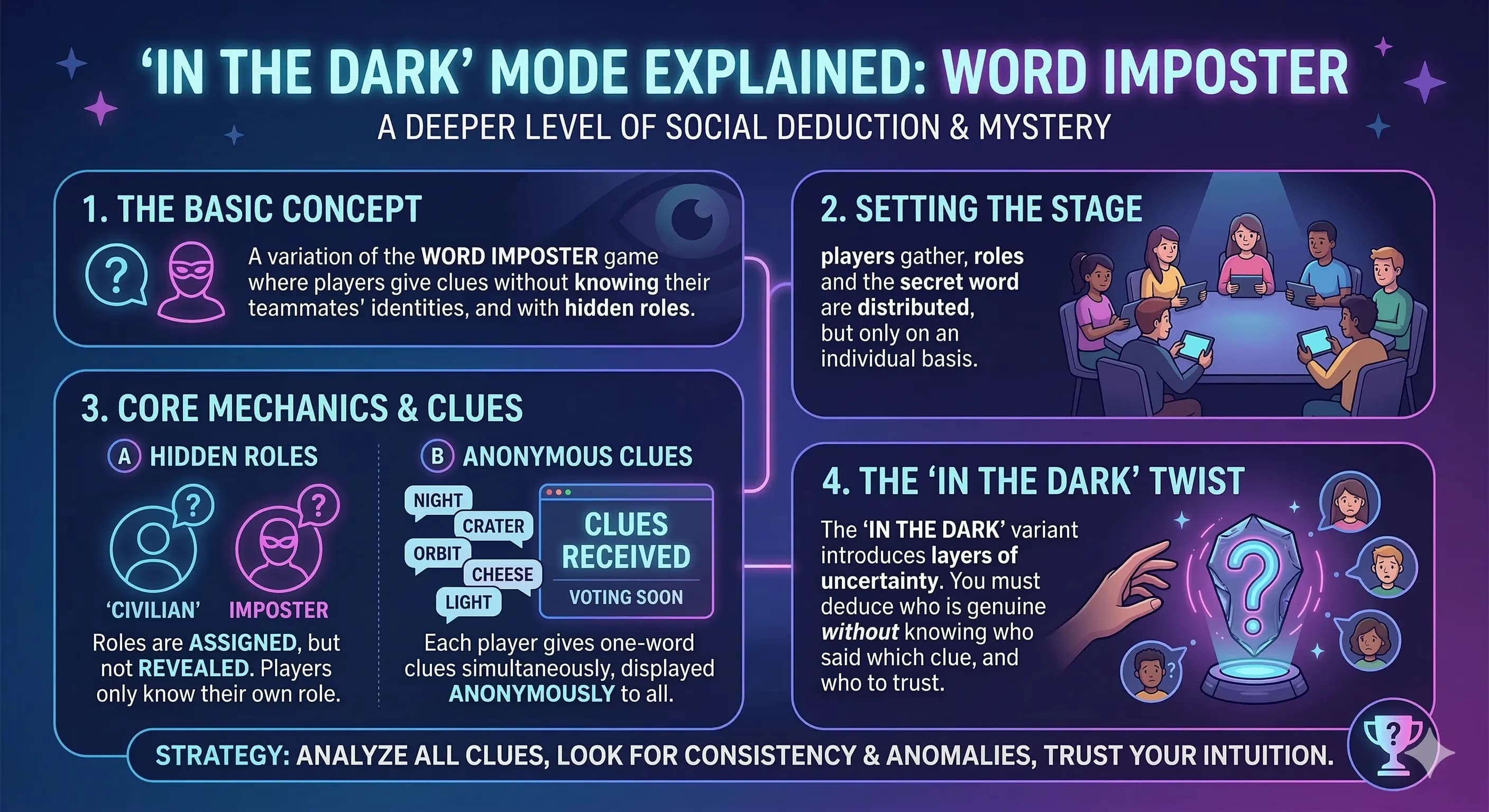
Word Impostor works surprisingly well as a professional ice breaker. Two or three quick rounds (each about 6–8 minutes with a small group) get everyone actively participating without requiring personal disclosure. The social deduction format is engaging enough that people stop performing "workplace version of myself" and just play naturally.
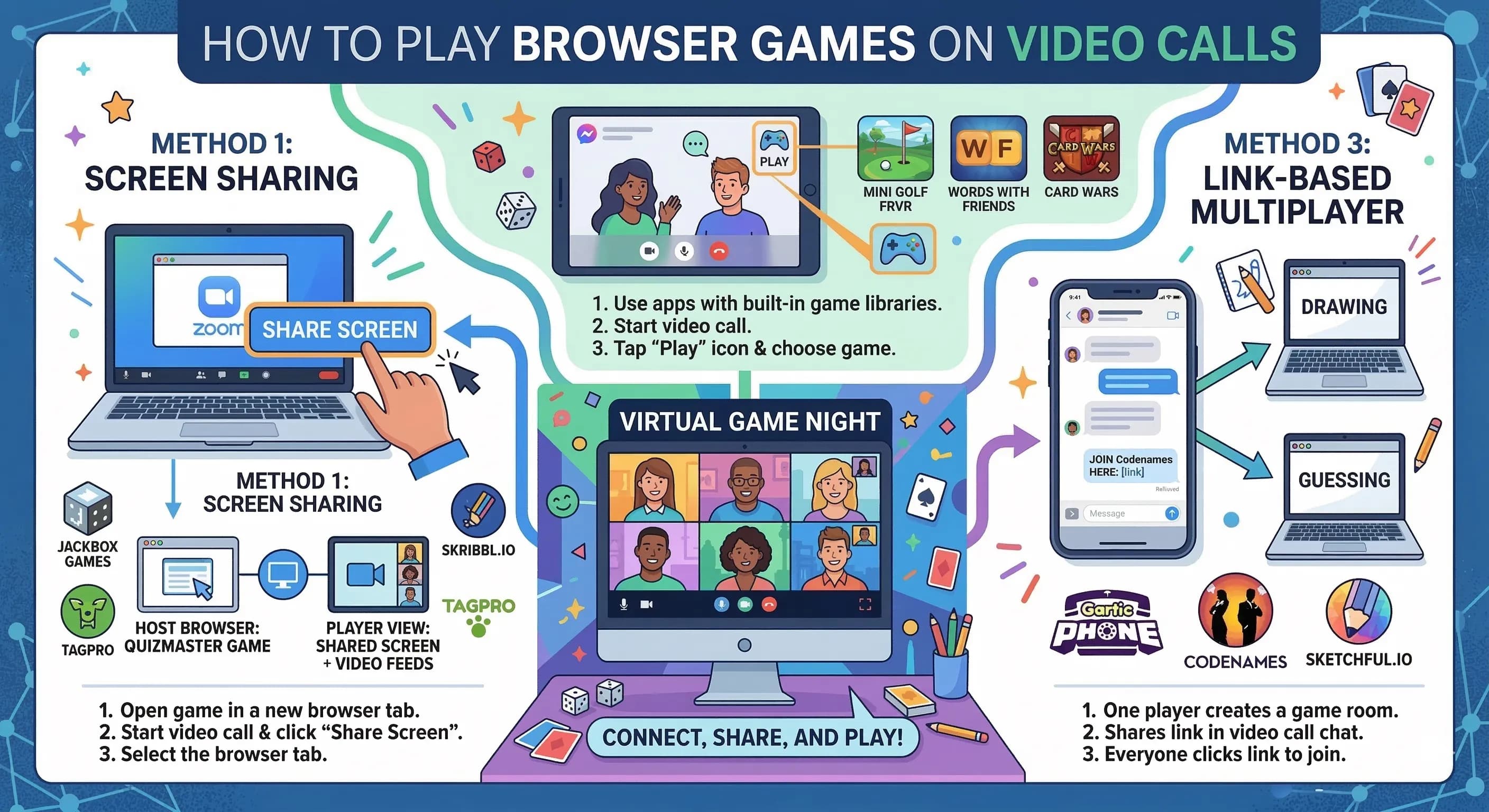
It's free, browser-based, and everyone can join from their phone or computer via a link in the meeting chat. Use the beginner's guide to explain rules quickly and run 1-2 rounds, then return to the meeting agenda feeling noticeably more connected.
7. Virtual Background Reveal
Ask everyone on the video call to find a virtual background that represents something about them (a hobby, a dream vacation, their favorite movie, etc.) and share it without explanation first. The group guesses what it represents before the person reveals. Simple, visual, and generates personal details naturally.
8. GIF Battle
In your team chat platform, give everyone 60 seconds to find and post a GIF that responds to a prompt ("your mood on Monday mornings," "how you handle deadline day"). The discussion that follows is almost always funnier and more revealing than any formal introduction.
9. Rapid Fire Questions
A facilitator asks quick either/or questions (coffee or tea? mountains or beach? early bird or night owl?) and everyone responds simultaneously in chat or on camera with a quick hand raise or typed answer. Fast, chaotic, and reveals a lot about personality clusters in a group in under five minutes.
10. Story Spine Collaboration
Each person in turn contributes one line to a collaborative story using a structured prompt: "Once upon a time…", "Every day…", "Until one day…", "Because of that…", "Until finally…", "Ever since then…" The story is completely improvised and inevitably goes somewhere absurd. Good for creative teams and particularly effective at breaking professional formality.
20-Minute Structured Activities
11. Team Trivia (Work-Themed)
A custom Kahoot quiz about the team, company history, or industry in general. Someone prepares 10–15 questions in advance. Competitive but low-stakes, and the personalized questions demonstrate that someone cared enough to make it specific to the group.
12. Photo From Your Week
Ask everyone to share one photo from their phone from the current week that represents something about their life outside work. Give 30 seconds for each person to share their screen/camera and explain. A 5-person team can complete it in under 15 minutes. The personal context it provides changes how colleagues see each other.
13. Values Mapping
Share a list of 20 core values (honesty, creativity, security, impact, growth, etc.). Everyone privately selects their top 5, then shares them in 30 seconds. The facilitator notes clusters and differences on a shared document. Takes 20–30 minutes for a medium group but doubles as genuine team alignment work.
14. Skribbl.io Quick Round
Skribbl.io with custom word lists related to your industry, company, or team is a reliably funny 15-minute activity. One person draws, others guess, no artistic skill required (which is part of what makes it work — bad drawing under time pressure is universally hilarious).
15. "Hot Takes" Round
Each person shares one mild hot take — something they believe that they suspect others might disagree with. Emphasis on "mild" — work-safe and non-political. "Meetings should never exceed 45 minutes" or "Standing desks are overrated" work well. The gentle disagreement and discussion that follows is more engaging than any consensus exercise.
One Final Note
The best ice breakers have two things in common: they require genuine participation (so no "just type your answer in chat" passivity) and they reveal something real without requiring personal disclosure that people aren't comfortable with. Games like Word Impostor sit in this sweet spot — you reveal yourself through your choices and reasoning, not through personal history.
For your next team game night that goes beyond ice breakers, check out our guide on hosting the perfect online game night, and our Discord party game roundup for more options.